Israel Turnout Hits 77.7 Percent
Arab-led parties are projected to win a record 18 Knesset seats as participation among Palestinian citizens reaches 80 percent.
By Gabriela Santos ·
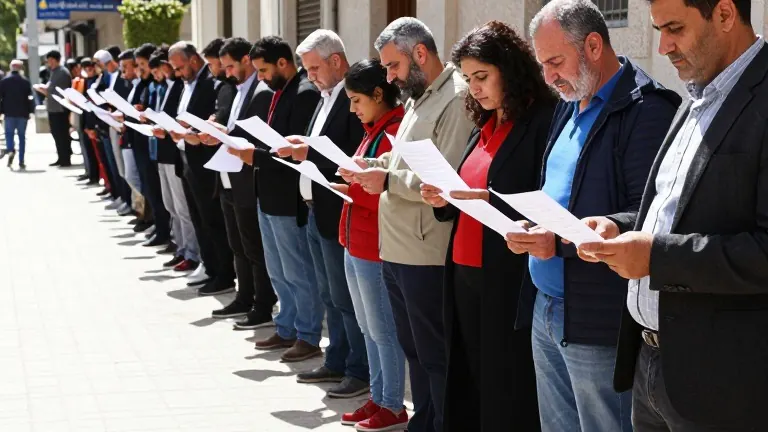
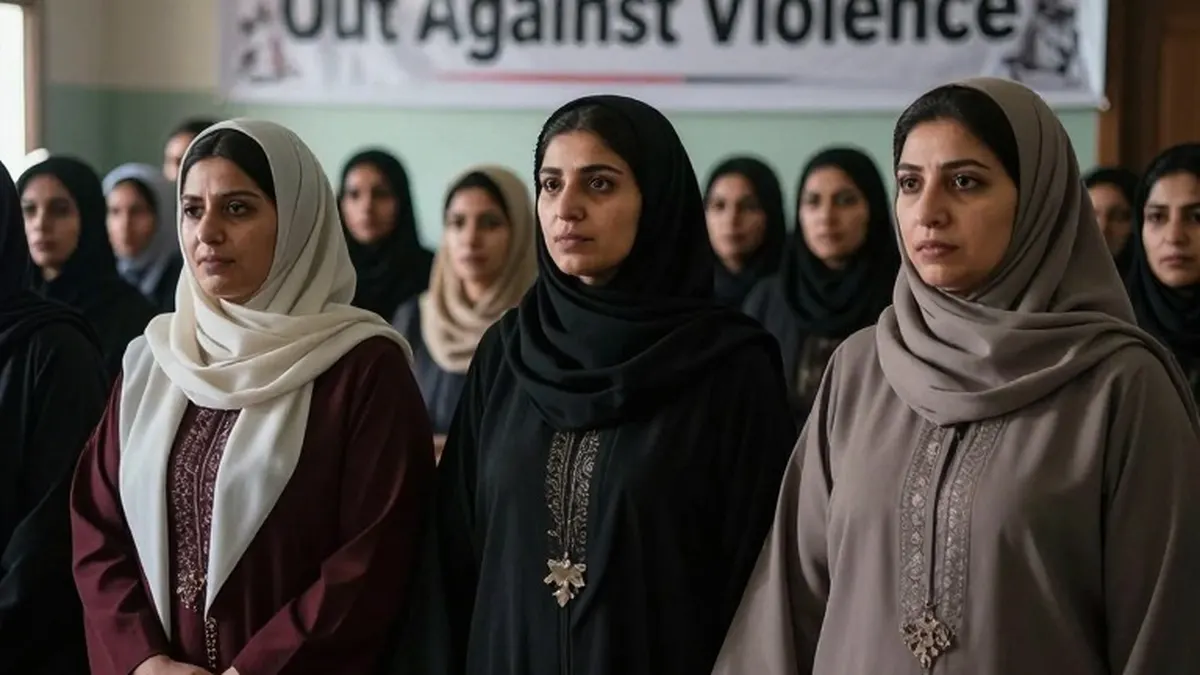
Exit polls from Tuesday's election project that Arab-led parties will secure 18 seats in the 120-member Knesset, a historic increase in parliamentary representation. The result follows a surge in voter participation that Channel 12 reported placed turnout among Palestinian citizens of Israel at approximately 80 percent, surpassing the record set in 1999.
The Central Elections Committee confirmed that overall turnout reached 77.7 percent, the highest level since 1999. Palestinian citizens constitute roughly 21 percent of Israel's 10 million residents and have historically voted at lower rates than their Jewish counterparts. This shift has altered the political arithmetic in the final tally.
The race between the two main blocs is currently tight. Updated figures show the opposition coalition led by Gadi Eisenkot's Yashar party tied at 51 seats with the governing bloc led by Prime Minister Benjamin Netanyahu's Likud. Eisenkot, a former military chief of staff, leads the opposition effort, while Netanyahu seeks to retain power.
Mansour Abbas, leader of the Ra'am party, stated that the current numbers prevent the formation of a government. He told Channel 12, "With the numbers we have now, there is no government." The anti-Netanyahu bloc requires 61 seats to form a cabinet. Abbas noted that both major blocs approached Ra'am for support before and after the vote. Ra'am currently holds five seats and served in the government from 2021 to 2022.
Alon Pinkas, a former Israeli ambassador, warned that coalition negotiations could be difficult for Eisenkot's camp. Pinkas told Al Jazeera that parties pledged not to enter coalitions with Arab groups, creating a dilemma. He said, "There's a price to pay," noting that Arab lists will likely make demands that Jewish-led coalitions may resist.
The final hours of the campaign featured intense outreach by Netanyahu's far-right coalition. Likud operatives played the Islamic call to prayer through loudspeakers in Jerusalem and urged supporters to vote by emphasizing high Arab participation. Netanyahu shared images of long lines in Arab communities on social media, warning that inaction could lead to a government led by Mansour Abbas and Ahmad Tibi.
Arab politicians described these tactics as inflammatory. In Ramallah, Al Jazeera reporter Nour Odeh characterized the vote as an existential moment for Palestinian-Israelis. She noted that the high turnout included voters who typically boycott elections due to doubts about systemic change. The Knesset has passed more than 100 laws that discriminate against Palestinian citizens, a factor Odeh cited in explaining the political stakes.
Source: Al Jazeera