Israel's High Court questions state after failed Jalud evacuation
Justices probe why security forces could not protect a Palestinian family during a court-ordered return to their homes in the West Bank.
By Gabriela Santos ·
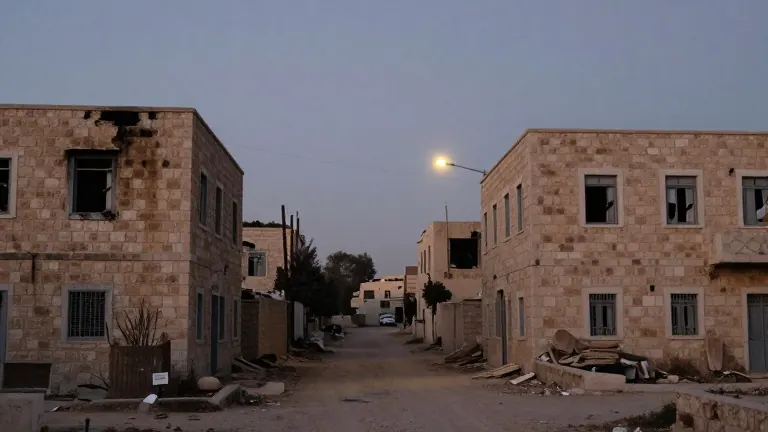
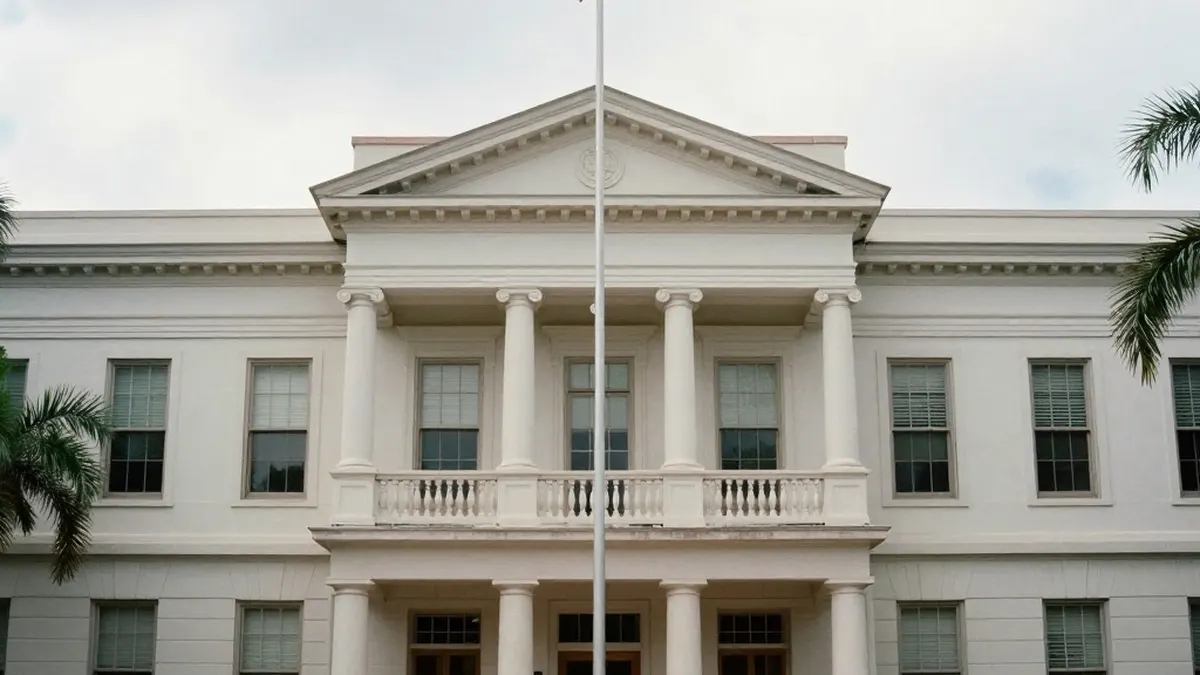
The High Court of Justice in Israel pressed government officials on Monday regarding the failed attempt to return a Palestinian family to their homes in the West Bank village of Jalud. The state conceded a sense of shame and failure during the hearing, acknowledging that the operation ended with the family evacuated under attack. The justices focused on why the residents remained displaced even after a specific court order aimed to protect them and allow their return.
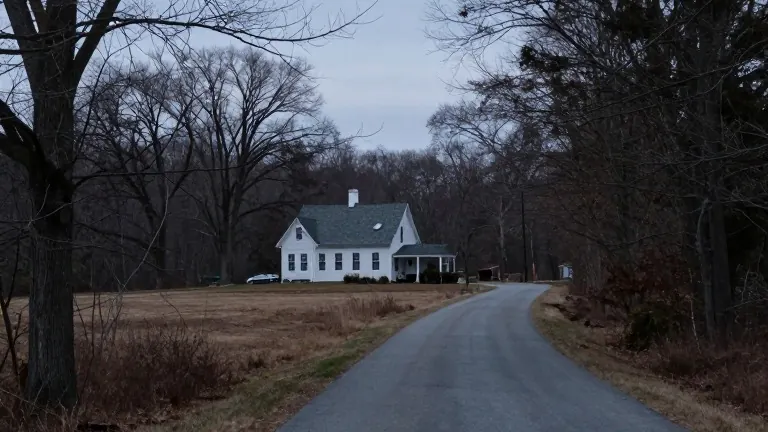
The dispute centers on three petitioners whose houses near Jalud, located south of Nablus, were seized by Israeli extremists. The court originally ordered authorities to secure the family's return within 14 days. Seven weeks after that order was issued, the hearing addressed the protection needed for workers repairing the damaged structures. The residents could not live in the homes until the repairs were complete.
Justice Dafna Barak-Erez told the deputy commander of the IDF's Judea and Samaria Division that time is often critical in these matters. She noted that the residents' inability to live in their homes and the destruction of their property highlighted the urgency. Supreme Court President Isaac Amit and Justice Yechiel Kasher sat on the panel. Attorney Ghiath Nasser, representing the petitioners, stated that the case began before the houses burned and has now reached a worse position. He confirmed his clients still want to return despite the destruction.
The timeline of the incident began on September 6, when the court ordered authorities to coordinate the petitioners' return within 14 days. The order required the state to provide security and allow equipment for repairs and utility restoration. The attempted return occurred on the night of September 28 and 29. More than 100 Israeli extremists attacked security forces and prevented the Tubasi family from staying. Three Border Police officers were wounded during the clash, and the family's two houses were set on fire.
The petitioners described arriving to find broken windows, doors, and damaged electrical connections. A crowd soon began throwing stones at the house. Soldiers gathered the family in a corner for protection before evacuating them in an armored vehicle while stones continued to fly. The state's response on October 8 said Border Police officers shielded the residents with their bodies after using all crowd-control ammunition. The state claimed Israelis entered the houses while the family was inside, prompting the brigade commander to order evacuation.
State attorney Avi Milikovsky acknowledged the operation failed but rejected the idea that the state was indifferent to the court's order. He said officers risked their safety to protect the residents. The homes are now burned and unsuitable for immediate return, he told the court. A dispute over damage assessment has delayed repairs. Nasser said his request to bring in engineers went unanswered. Milikovsky said coordination is handled through a military liaison office that already conducted a damage visit.
Justice Amit distinguished a brief inspection from the protection needed for sustained repairs. Workers must remain at the houses for a period, he said. Barak-Erez said that protection is an integral part of allowing the residents to return. The justices also asked for an explanation regarding an allegation that the September fire burned for seven hours without being extinguished. The deputy division commander, identified as Col. A., said he needed to check the specifics of that incident. Milikovsky proposed providing a supplementary written response.
Justice Kasher asked how a third petitioner's house, belonging to Tawfiq Shweiki, burned on October 24 after settlers had been staying there. Responsibility for that fire remains disputed. Col. A. stated the army is bound by law and responsible for creating conditions for a safe return. He said the outposts in the relevant Area B sector should not exist. He cited arrests, search warrants, and vehicle seizures against the outposts, while noting competing demands from the olive harvest and election period.
Barak-Erez challenged the failure to meet the original 14-day deadline. She said an extension should have been sought in advance. The petitioners have sought enforcement through contempt proceedings, including a daily fine of 50,000 new Israeli shekels. The state opposes this request, arguing it acted to carry out the order. Col. A. estimated that preparations for a return could take up to 30 days. President Amit closed the hearing by saying a decision would follow.
Source: The Jerusalem Post